
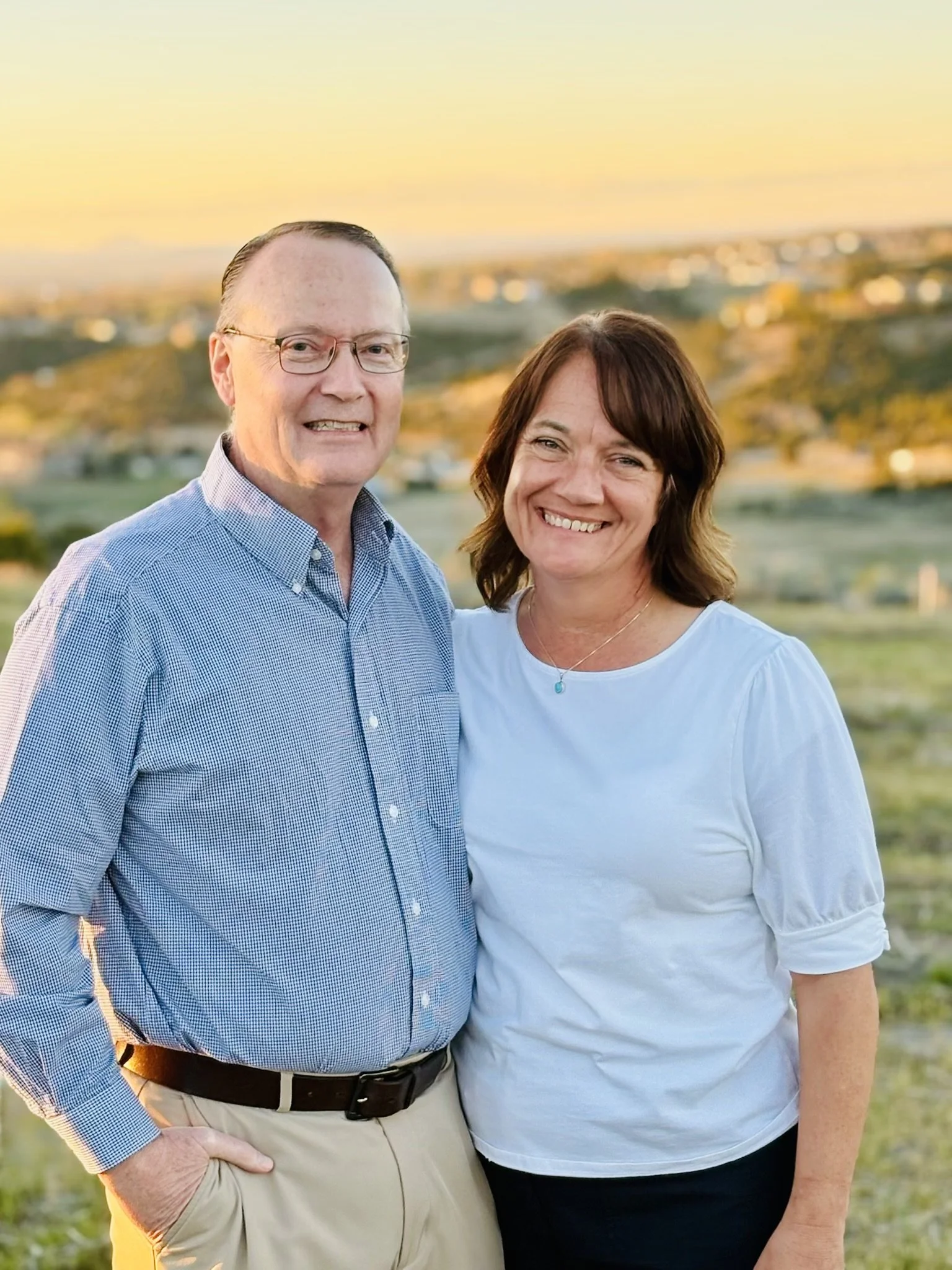
I was born and raised in southeastern Idaho, and my life has been shaped by the rural communities and agricultural traditions that define District 28. My husband and I have spent 31 years building our life here, raising our three children, and recently welcoming our first grandbaby — a daily reminder of why strong schools, strong families, and strong communities matter.
My path into public service didn’t begin in a meeting room or behind a podium. It began across from a young mother whose life had been marked by trauma, poverty, and loss. At the time, I was a college social work student — inexperienced, unsure, and still learning what it meant to sit with someone’s pain instead of trying to fix it.
This mother had survived years of abuse, lived without stable support, and carried the grief of losing a child. She was doing everything she could to hold her life together, but the systems around her were fragmented, inconsistent, and often unkind. Instead of compassion, she was met with judgment. Instead of being seen for her resilience, she was treated as a problem to be managed. The worker assigned to her case dismissed her, overlooked her strengths, and shut down her voice.
As a student, I had no authority — but I did have a choice: stay silent or speak up.
I chose to advocate.
I listened to her story, brought my concerns to my supervisor, and helped shift the case toward a trauma‑informed, strengths‑based approach. Slowly, she began to re‑engage. She attended appointments, started therapy, and rebuilt trust. The system didn’t transform overnight, but the tone of her care changed — because one person refused to let her be unseen.
Through that experience, I learned something foundational: it truly does take a village. Not a village in the abstract — but a real one built on:
Social collateral — the relationships that hold people up when systems fall short
Strong, effective systems — structures that respond, support, and strengthen families
Communities that show up — like the communities in District 28, where neighbors help neighbors and people take care of one another
That experience shaped the kind of public servant I would become — a steadfast champion for families and stronger communities.
It taught me that trust is built by showing up consistently, that advocacy means speaking up when others stay quiet, and that lasting change takes collaboration. It also deepened my belief that public schools, when fully supported and leveraged, can be one of the most powerful systems for strengthening students, stabilizing families, and building healthier communities.
Throughout my career, I’ve carried these lessons into every room I enter. I listen first. I look for strengths. I bring people together. I challenge practices that harm families. And I work to build systems that lift people up rather than push them out.
My story isn’t about politics — it’s about people. It’s about believing in the power of community. It’s about ensuring that no one is left without a voice. And it’s about building the kind of village where families and communities can thrive — the kind of village District 28 already knows how to be.